
Hood River combines Columbia Gorge scenery, mountain access, outdoor recreation, and a limited supply of usable residential space. With the Columbia River in one direction and Mount Hood in the other, the area attracts people who value skiing, hiking, biking, wind sports, fishing, and year-round access to the outdoors. For homeowners looking for additional living space or buyers interested in a smaller, more efficient home, tiny homes can offer a flexible approach.
Dufur Tiny Homes builds custom tiny homes for Hood River, Oregon customers looking for practical living spaces designed around their priorities. Our options include move-in-ready tiny homes, custom builds, tiny home shells, plumbed decks, and custom tiny home trailers. Homes generally range from approximately 200 to 450 square feet, with layouts and levels of completion varying by project.
Whether you’re researching tiny homes for sale in Hood River, Oregon, planning a home for a rural property, considering additional family living space, or exploring an off-grid project, Dufur Tiny Homes provides several ways to get started.
A compact home needs to make effective use of every square foot. Custom design allows customers to decide which features deserve the most space rather than adapting their lifestyle to a standardized floor plan.
Dufur Tiny Homes builds custom tiny homes in Hood River around individual priorities. A customer who enjoys cooking may want more cabinetry and countertop space, while another may prioritize a main-floor bedroom, larger bathroom, dedicated workspace, or equipment storage.
Built-in furniture, vertical cabinetry, stair storage, and multipurpose areas can increase functionality without unnecessarily filling the interior. The result is a smaller home designed around how the owner expects to use it.


Customers searching for tiny homes for sale in Hood River, Oregon may be interested in different levels of completion. Some want a more complete home, while others prefer to participate in construction and select their own interior finishes.
Dufur Tiny Homes offers move-in-ready tiny homes, custom homes, tiny home shells, plumbed decks, and custom tiny home trailers. Buyers can choose a starting point that reflects their construction experience and goals.
Before selecting a tiny home, consider its intended use, dimensions, floor plan, storage, utilities, climate, and eventual location. These decisions are especially important around Hood River because conditions can vary considerably between lower-elevation properties and locations closer to the mountains.
Hood River’s outdoor culture creates design priorities that may be less important in other communities. Bikes, skis, snowboards, camping equipment, fishing gear, climbing equipment, and water-sports gear can require substantial storage.
A tiny home doesn’t provide room for oversized storage areas, so equipment storage needs to be intentional. Built-in cabinets, vertical storage, seating with compartments underneath, and other integrated solutions can keep recreational equipment organized without overwhelming the main living area.
For an outdoor-focused tiny home in Hood River, discussing equipment and hobbies during the design process can help create a home that better supports the owner’s lifestyle.

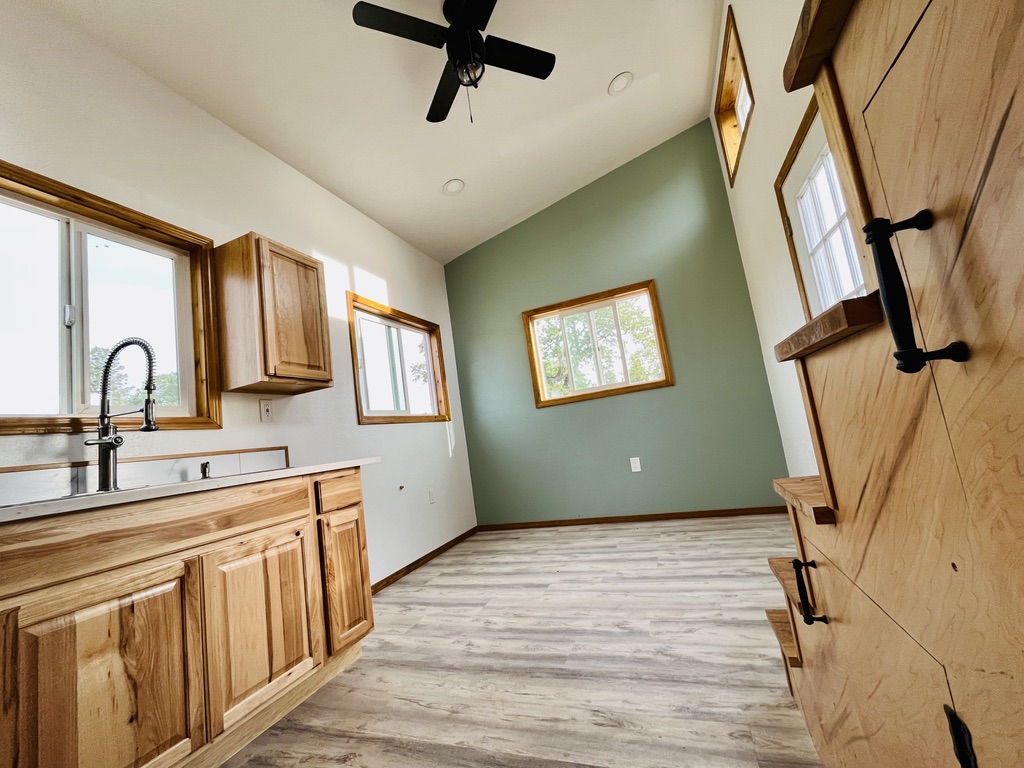
Dufur Tiny Homes offers move-in-ready tiny homes for Hood River customers who prefer a more complete option rather than performing substantial construction themselves.
Depending on the selected design, a completed home can include a kitchen, bathroom, sleeping area, living space, and integrated storage. Because these features share a relatively small footprint, decisions about one area influence the rest of the home.
A main-floor bedroom uses more floor space than a loft but may provide greater convenience. A larger kitchen can improve cooking and storage while leaving less room for other uses. Custom planning helps balance these priorities around the owner’s everyday needs.
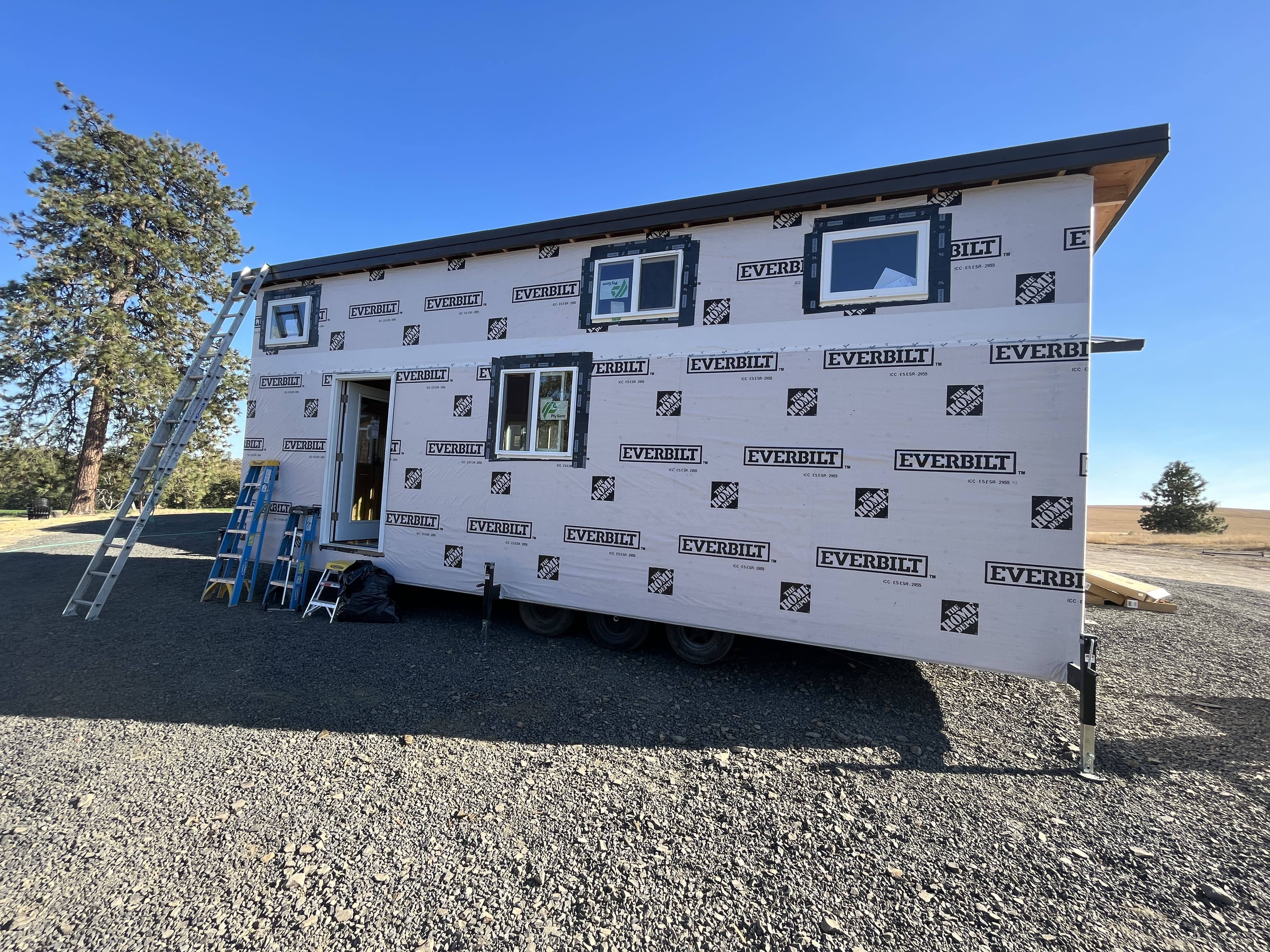
For buyers who want greater involvement in their project, Dufur Tiny Homes offers tiny home shells for Hood River, Oregon.
Our shells can be available in widths ranging approximately from 8 to 14 feet and lengths ranging approximately from 16 to 40 feet, depending on the project. Customers can complete much of the interior themselves and choose their preferred flooring, cabinetry, appliances, fixtures, and finishes.
A shell provides an appealing middle ground for experienced DIY builders. The primary structure is already constructed, while the owner retains substantial control over the interior design and completion process.
Customers interested in taking on even more of the construction can begin with a custom tiny home trailer. A trailer-based project should be planned around the dimensions, anticipated weight, structural configuration, and floor plan of the finished home.
Dufur Tiny Homes also offers plumbed decks, providing another starting point between a trailer and an enclosed shell. These options give Hood River customers flexibility in determining how much construction they want completed before taking over the project.


Hood River’s location in the Columbia Gorge creates a distinctive climate. Wind, seasonal precipitation, winter cold, summer heat, and changing conditions with elevation all need to be considered when planning a home for the area.
Roofing, windows, doors, exterior materials, insulation, ventilation, heating, and cooling can influence year-round comfort. A compact interior can respond to temperature changes quickly, making efficient climate control particularly important.
Customers placing a home at higher elevations or closer to Mount Hood may encounter substantially greater snowfall. Dufur Tiny Homes offers designs intended for high-snowfall areas when the home’s location requires additional consideration for winter conditions.
Hood River is surrounded by properties that can feel considerably more rural than those within developed residential areas. Buyers considering these settings may have different priorities for their tiny home.
Utility access, water, wastewater, solar power, storage, road access, elevation, and winter weather can become more important depending on the property. A home used periodically for recreation may also need different systems than one intended for full-time occupancy.
Property owners should verify applicable zoning, land-use, sanitation, building, utility, and occupancy requirements before assuming a tiny home can be used as a residence on a particular parcel. Rural property or acreage does not automatically establish approval for residential occupancy.
For customers considering rural property or greater utility independence, Dufur Tiny Homes offers off-grid tiny home options, including solar power and composting toilets.
Off-grid systems should be designed around actual expected use. Electricity consumption, available sunlight, battery capacity, water, wastewater, heating, climate, and frequency of occupancy can all influence the appropriate setup.
A tiny home used occasionally as a recreational space may have different needs from one occupied throughout the year. Incorporating these goals into the initial design helps the home’s systems work together more effectively.
Homeowners interested in making better use of existing residential property may also be researching accessory dwelling units. An accessory dwelling unit, or ADU, can provide an independent secondary dwelling associated with a primary residence when applicable requirements are satisfied.
For Hood River homeowners, additional residential space may potentially serve parents, adult children, or other long-term housing needs. However, a tiny home is not automatically an ADU.
Construction type, foundation, dimensions, utilities, placement, and other characteristics can determine whether a particular structure qualifies. Customers considering a tiny home ADU in Hood River should verify current zoning, building, setback, utility, permitting, and occupancy requirements for their property before ordering a home for that purpose.
A smaller independent dwelling may provide families with a way to remain close while maintaining separate everyday living spaces when the property and intended use meet applicable requirements.
A custom tiny home in Hood River can be designed around a specific family member. An older resident may prioritize main-floor sleeping and convenient bathroom access, while an adult child may prefer additional workspace, kitchen storage, or a larger living area.
Custom design allows the limited square footage to be directed toward the needs of the actual occupant rather than features they are unlikely to use.
Tiny homes can also appeal to Hood River residents who want to reduce the amount of space they maintain. Instead of paying for and caring for rooms that receive little use, downsizing allows the home to concentrate on essential everyday spaces.
Smaller doesn’t have to mean uncomfortable. A customer can prioritize a larger kitchen, comfortable bathroom, open living area, main-floor bedroom, or additional storage depending on their lifestyle.
A custom tiny home in Hood River focuses on using space efficiently rather than simply minimizing total square footage.
Storage deserves particular attention in Hood River because so many local lifestyles revolve around outdoor recreation. Equipment can consume a significant portion of a small home if storage isn’t incorporated into the original design.
Vertical cabinets can use wall height, stairs can contain drawers, and built-in seating can provide concealed compartments. Specific storage areas can also be planned around the dimensions of the owner’s equipment.
This approach allows more of the primary floor area to remain available for cooking, relaxing, sleeping, and everyday living.
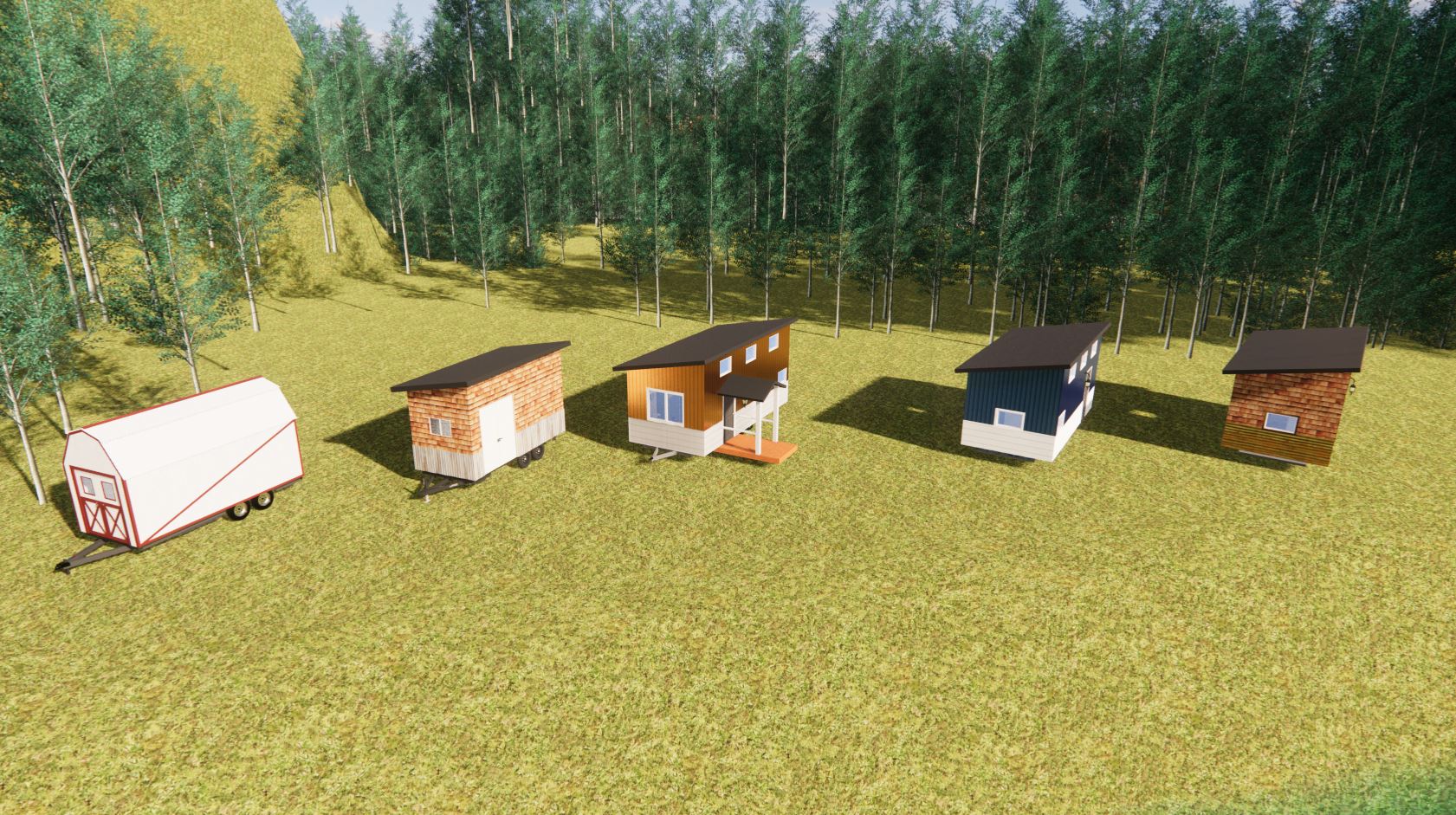
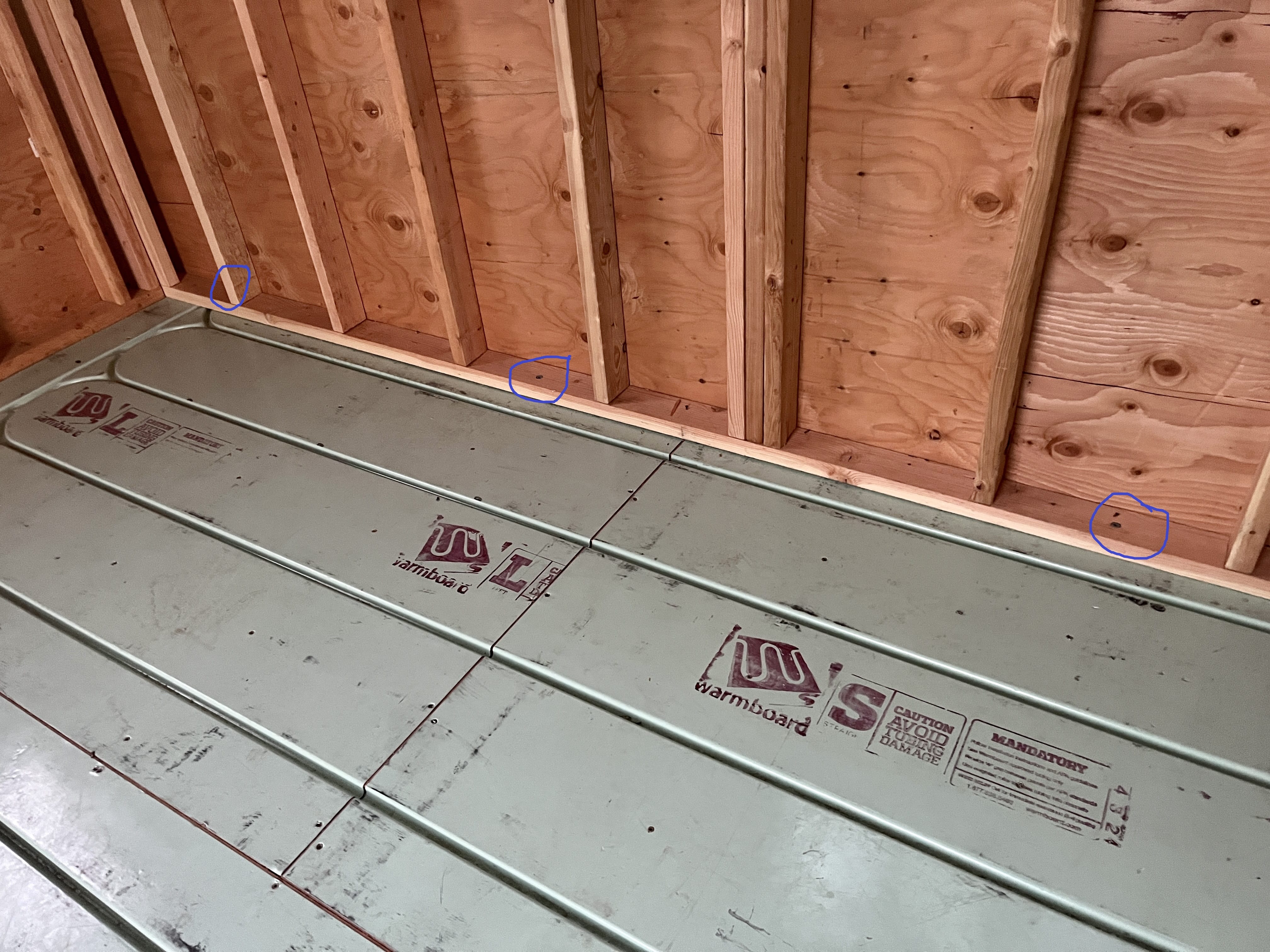
Dufur Tiny Homes offers NOAH-certified tiny homes for customers interested in third-party inspection and documentation of qualifying tiny-home construction. Certification provides additional information about how a qualifying home was constructed.
NOAH certification is separate from local approval. It does not automatically establish that a tiny home can be placed or occupied on a particular Hood River property or that it qualifies as an ADU.
Customers should independently verify applicable zoning, building, utility, permitting, placement, and occupancy requirements.
Before choosing a tiny home builder in Hood River, determine how the home will be used and how involved you want to be in construction. Some buyers may prefer a move-in-ready home, while experienced DIY builders may choose a shell, plumbed deck, or custom trailer.
Consider sleeping arrangements, kitchen space, storage, utilities, climate control, off-grid capabilities, and the home’s eventual location. In the Hood River area, elevation, winter conditions, outdoor equipment, and utility access may be particularly important considerations.
Dufur Tiny Homes provides multiple construction options so customers can select a starting point that matches their project.
Hood River’s combination of mountain access, Columbia Gorge recreation, rural surroundings, and active lifestyles creates a distinctive setting for tiny home living. Thoughtful design can create a compact home suited to downsizing, additional family space, recreational property, off-grid goals, or a DIY project.
Dufur Tiny Homes offers custom tiny homes, move-in-ready tiny homes, tiny home shells, plumbed decks, custom tiny home trailers, off-grid options, and NOAH-certified construction options. Whether you’re searching for a tiny home builder in Hood River, Oregon, comparing tiny homes for sale in Hood River, or planning a custom tiny house, we can help you choose the right starting point.
Contact Dufur Tiny Homes to discuss your Hood River tiny home project and explore the options available for your build.